Are Listed Buildings Harder to Sell? Listed Property Advice
Welcome to our blog series on everything you wanted to know about selling a property but were too afraid to ask! OK, we're sure you're probably not afraid to ask, but there are some tricky questions out there. We come across these all the time across all areas of the property market, so here we wanted to share our advice, tips, and tricks to help you navigate the world of property.
Should You Worry About Resale Value When Buying a Listed Property?
Question from E.F, Waltham St Lawrence:
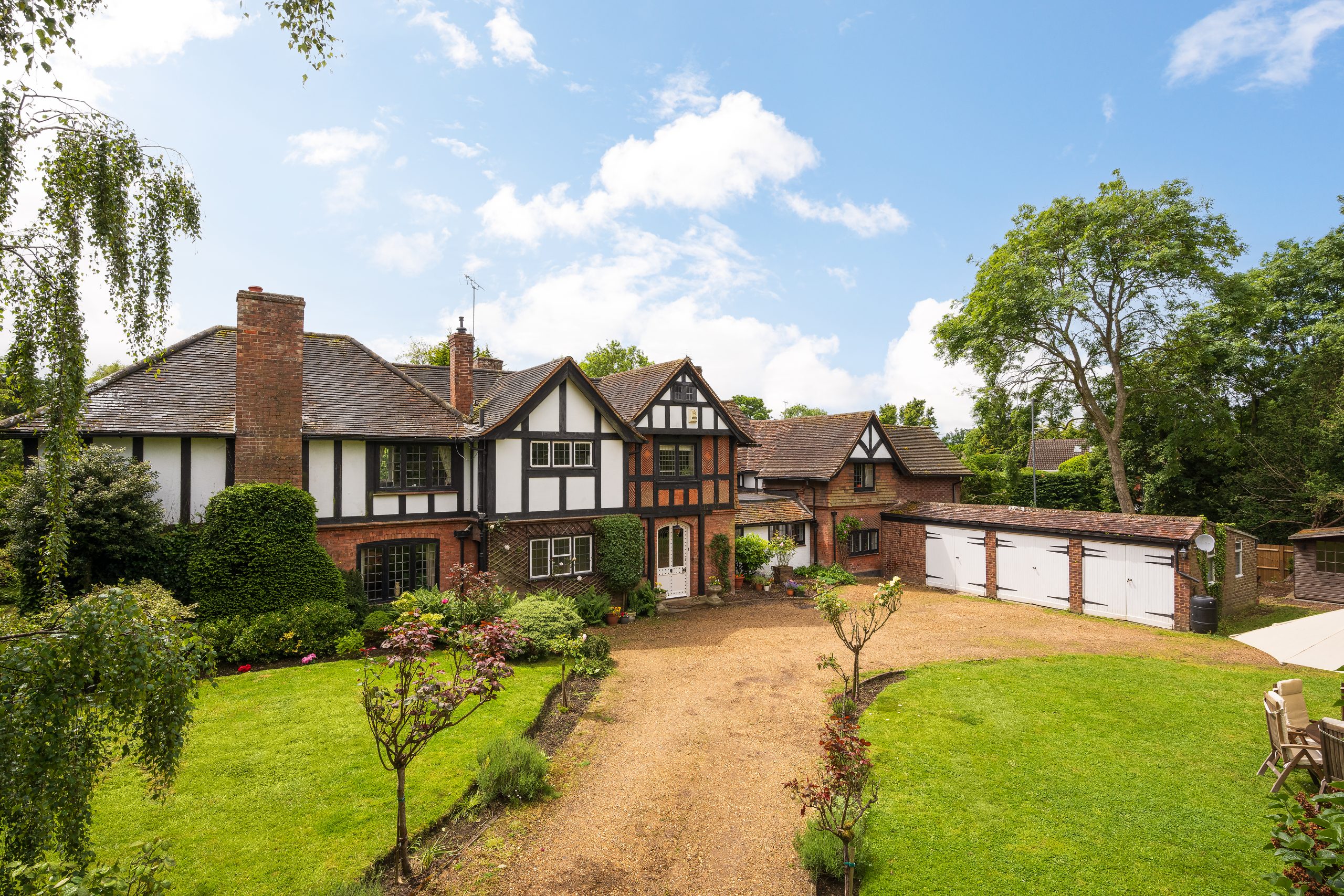
"We've seen a 16th-century listed property which we absolutely love and are desperate to buy, but my husband is worried about resale potential. He thinks the market for that type of house will be smaller and that we may struggle to sell it in the future. Should we be worried?"
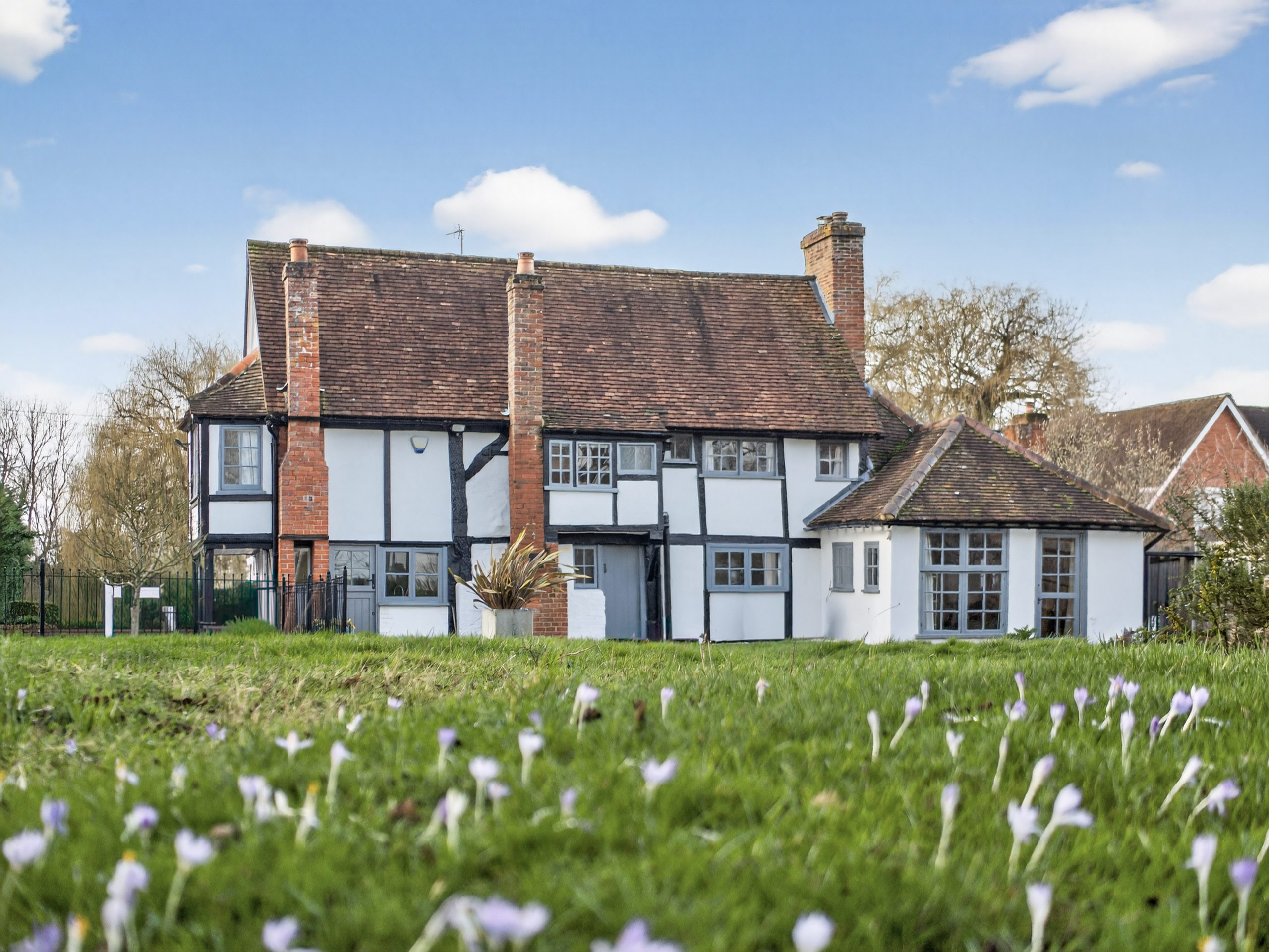
If you've found a 16th-century listed home that you genuinely love, it's easy to understand the excitement. Character properties have a unique appeal that modern homes often struggle to replicate. Exposed beams, original fireplaces, period features, rich history, and centuries of craftsmanship can create a sense of charm and atmosphere that is difficult to find elsewhere. At the same time, your husband's concerns are understandable.
The market for listed and historic homes is typically smaller than the market for modern family properties. Not every buyer is looking for the responsibilities, maintenance requirements, or quirks that often come with owning an older property. However, a smaller market does not automatically mean a weaker one.
Why Listed Properties Attract Passionate Buyers
One of the biggest differences between listed homes and standard residential properties is the type of buyer they attract. People searching for a listed property are often looking for something highly specific. They are not simply comparing one house against dozens of similar alternatives. Instead, they are searching for character, heritage, setting, and a lifestyle that cannot easily be replicated elsewhere.
Unlike a property on a large modern development, a historic home is often a one-off opportunity. When the right buyer finds the right listed property, emotional connection frequently plays a significant role in their decision-making process. Much like you, they may fall in love with the property's history, atmosphere, and individuality.
Understanding the Responsibilities of Owning a Listed Building
Before purchasing a listed property, it's important to understand exactly what ownership involves. Historic homes come with additional responsibilities and restrictions that buyers should carefully consider before proceeding. This is why thorough due diligence is essential. A comprehensive survey should be a priority, particularly for older buildings where maintenance requirements may be more complex. It's also wise to seek experienced legal advice and review any documentation relating to previous alterations or restoration work.
Depending on the property, specialist heritage advice may also be beneficial. Understanding what changes can and cannot be made to a listed building will help you make an informed decision and avoid unexpected challenges in the future. This is not the time to rely on optimism alone. If significant repairs are required or important paperwork is missing, it is important to investigate fully before committing to a purchase.
How to Sell a Listed Property Successfully
When the time eventually comes to sell, marketing plays a crucial role. Listed properties should never be marketed as simply a collection of rooms and measurements. Buyers of character homes are often purchasing far more than square footage. Successful marketing tells the story of the property. It highlights the history, lifestyle, setting, architectural details, and unique features that make the home special. Buyers want to understand what it feels like to live there. They want to imagine evenings by the fireplace, family gatherings in period dining rooms, and peaceful moments enjoying a beautiful garden or countryside setting.
At the same time, honesty is essential. A 16th-century property is unlikely to offer perfectly straight walls, modern layouts, or contemporary conveniences in every room. These characteristics are often part of the appeal. The right buyer will appreciate the property's individuality rather than expect it to behave like a newly built home.
Are Listed Buildings Harder to Sell?
The simple answer is that listed buildings do not appeal to everyone—but they don't need to.
Many successful property sales involve finding the right buyer rather than appealing to the widest possible audience. While the pool of potential buyers may be smaller, those buyers are often highly motivated and specifically searching for homes with character and history. As long as you understand the responsibilities of ownership, maintain the property properly, and purchase at a sensible price, there is no reason to assume a listed property will be difficult to sell in the future.
Final Thoughts
Buying a listed property is rarely a purely financial decision. For many buyers, it's about becoming part of a building's story and preserving a piece of history for future generations. While listed homes may attract a more specialized audience, they often inspire a level of passion and emotional connection that modern properties struggle to match.
If you love the property, understand the responsibilities involved, and are prepared for the commitment that comes with owning a historic home, it could become one of the most rewarding property purchases you ever make. In many ways, owners of listed buildings are not simply homeowners—they are custodians, caring for a unique property until it is ready to be passed on to its next chapter.