
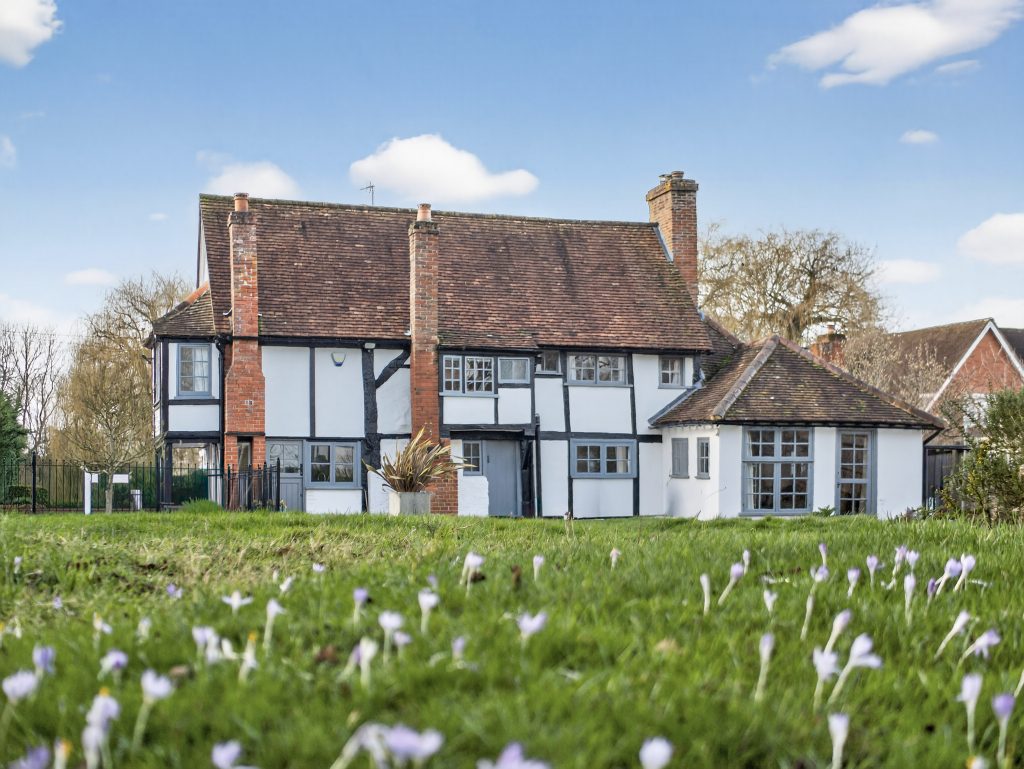
A handsome family house can sit on the right road, offer generous accommodation and be finished to a high standard, yet still attract a very different response from buyers than a seemingly similar home a mile away. That is why what affects pricing is not answered by a simple calculation based on bedroom numbers or a neighbouring sale. For owners of distinctive homes, the right price is a considered judgement: one that brings together evidence, timing, presentation and the particular buyers a property is likely to attract.
A valuation should provide clarity, not simply a figure designed to win an instruction. The aim is to position a home credibly from day one, generate meaningful interest and give the eventual buyer confidence that the price reflects both the property and the market.
What affects pricing in the prime property market?
The achieved price of a home is shaped by the relationship between its inherent qualities and current buyer appetite. Some factors are relatively fixed, such as its setting or plot. Others can be improved before launch, including condition, presentation and the way its strengths are communicated.
In East Berkshire, buyers are often well informed. They compare homes closely, but they are not only comparing floor area. They are weighing the ease of daily life, privacy, school access, commuting routes, the character of a village and whether a house feels ready to become their long-term home. A strong pricing strategy recognises this broader decision-making process.
Location is more detailed than a postcode
Location remains the foundation of value, but broad labels only take the analysis so far. Within Ascot, Sunningdale, Bray, Wokingham or the surrounding villages, a quiet position, a walkable high street, access to well-regarded schools or a particularly attractive outlook can materially change buyer demand.
The details matter just as much. A house on a sought-after road may command a premium, while a property nearby can be affected by traffic, overlooked gardens, a difficult approach or less convenient access to the station. Equally, a rural setting may appeal strongly to one buyer group but require a more measured assessment of travel times, local amenities and broadband provision.
A good valuation looks beyond the map pin. It considers why buyers choose that exact pocket, who is likely to compete for it, and which compromises they may be willing to make.
Plot, privacy and the feeling of space
At higher price points, land is not valued simply by acreage or garden size. The usefulness and enjoyment of the outdoor space are central. A level, private garden with mature planting, a good orientation and room for entertaining may add more appeal than a larger plot with a steep gradient or significant maintenance demands.
Privacy is often a decisive factor. Set-back frontage, discreet boundaries and a calm outlook can be difficult to replicate and therefore carry genuine value. Conversely, a home with impressive internal accommodation may face more price sensitivity if it is heavily overlooked or close to a busy route.
Buyers also respond to the sense of arrival. Parking, a well-maintained approach, gates and the relationship between the house and its grounds all shape the first impression before a viewing has properly begun.
Condition, specification and design quality
A buyer will pay differently for a house that needs work than for one where the investment, decisions and disruption have already been handled. This does not mean every home must follow a single interior style. Characterful period homes, carefully designed contemporary houses and sensitively updated family properties can all command strong interest when their condition is reflected honestly in the guide price.
The key distinction is between cosmetic preference and fundamental cost. A kitchen colour may not suit every buyer, but outdated windows, a tired roof, poor energy performance or a substantial programme of renovation will influence how buyers assess value. They will make allowances not only for the work itself, but for uncertainty and inconvenience.
High-quality additions can strengthen pricing when they suit the property and location. Thoughtful joinery, excellent bathrooms, a well-planned kitchen, garden rooms and technology that is straightforward to use can all help a home stand apart. Over-specification, however, does not always translate pound for pound. The market rewards relevance, quality and execution more reliably than expensive features in isolation.
Comparable evidence sets the starting point
Recent sold prices are essential, but they need interpretation. A comparable sale is only useful when its location, plot, condition, accommodation, timing and buyer appeal genuinely resemble the property being valued. Two five-bedroom houses may share a headline description while offering very different experiences in practice.
Current competing homes are equally revealing. They show what buyers can view now, how crowded a price bracket is and whether a property needs to lead, match or differentiate itself. A home that launched several months ago may also indicate that an asking price has not kept pace with demand, although it could be suffering from poor presentation or an unsuitable sales approach rather than price alone.
Evidence should therefore be used to build a range and a rationale, rather than to select the highest number available. The best strategy balances ambition with credibility. Buyers at the prime end of the market may have significant choice and professional advice of their own; they notice when a guide price is unsupported.
Timing and the strength of buyer demand
The property market is never entirely static. Supply levels, mortgage availability, economic confidence and the number of active applicants all influence pricing. Seasonal patterns can matter too. Family buyers may focus their search around school arrangements, while others may be motivated by a relocation deadline or a specific lifestyle change.
There is no universally perfect month to sell. A distinctive home can perform well at many points in the year if it is correctly positioned and reaches the right audience. However, timing can affect the level of competition, the pace of decision-making and the margin for testing a more ambitious price.
This is why a valuation should reflect present conditions, not only sales agreed in a stronger market or expectations formed when values were moving differently. Honest communication about demand is more useful than reassurance without evidence.
Presentation changes the buyer’s price perception
Pricing and marketing are closely connected. A property that is beautifully prepared, professionally photographed and presented with a clear narrative gives buyers a reason to engage emotionally as well as rationally. They can better understand the lifestyle, layout and qualities that make the home distinctive.
Preparation need not mean extensive renovation. Often it involves editing rooms, addressing small defects, improving lighting, refining the exterior and ensuring every space has a clear purpose. For a family house, that may mean showing how a study, playroom or garden room works in everyday life. For a period property, it may mean allowing original details and proportions to take centre stage.
Poor presentation can lead buyers to assume there are hidden compromises, even where none exist. Strong presentation cannot correct an unrealistic price, but it can ensure a well-priced home receives the attention it deserves.
The first weeks matter most
A new instruction has a natural period of heightened interest. Buyers who have been waiting for a suitable home will often act quickly, and early feedback can be particularly valuable. If viewings are limited, comments repeatedly focus on value, or the right applicants are not engaging, the strategy should be reviewed promptly.
Holding to a price without a clear reason can make a property feel stale. On the other hand, changing course too quickly, without understanding the feedback or the quality of exposure, may be equally unhelpful. The right response depends on the evidence: enquiry levels, viewing quality, competing stock and the objections being raised.
Price is a strategy, not a hopeful figure
The highest valuation is not automatically the strongest one. An inflated guide price may delay the sale, reduce initial momentum and eventually force a more visible adjustment. In some cases, it can also affect a buyer’s willingness to negotiate, because the home has begun to appear less compelling than newer alternatives.
A well-judged price invites the right level of attention while protecting the home’s value through confident positioning. It is supported by accurate comparable evidence, an understanding of the likely buyer and a marketing campaign that reaches beyond passive portal browsing. For a unique home, reaching a smaller number of well-qualified buyers can be more valuable than generating large volumes of unfocused enquiry.
For sellers, the most reassuring question is not simply, “What is my home worth?” It is, “What evidence supports that figure, and how will we present it to the buyers most likely to value it?” That conversation creates a sounder basis for every decision that follows.