A well-prepared home does more than photograph beautifully. It gives a serious buyer confidence that the property has been carefully owned, thoughtfully maintained and priced with sound judgement. Knowing how to prepare house for sale is therefore not simply about decluttering before the photographer arrives. It is about presenting the strongest, most credible version of a home that may represent many years of investment and family life.
For distinctive homes across East Berkshire, the right preparation should be proportionate. A period house in a village setting needs a different approach from a contemporary family home close to Ascot or a substantial property with gardens and land. The aim is not to make a home look generic. It is to ensure its best qualities are immediately clear.
Start with an honest assessment
Before spending money, walk through the property as a buyer would. Begin at the road, gate or driveway, then follow the route through the hall, principal reception spaces, kitchen, bedrooms and garden. Notice what draws the eye first, both positively and negatively.
Small defects can carry disproportionate weight during a viewing. A sticking door, cracked socket plate, tired sealant, blown lightbulb or dripping tap may be minor in isolation, but together they can suggest a house has not been maintained. Buyers of premium homes are often busy and well informed. They do not necessarily expect perfection, but they do expect evidence of care.
Make a short, prioritised list of repairs. Focus first on anything visible, functional or likely to prompt questions. This might include damaged paintwork, loose handles, worn grouting, faulty exterior lighting or overgrown paths. If a larger issue is known, such as an ageing roof covering or dated heating system, seek informed advice before deciding whether to address it. The answer depends on cost, timing and how the issue affects value. Not every project will return its full cost, but avoiding an awkward surprise can protect negotiations later.
Prepare the exterior before the interior
The approach to a house sets the tone for every viewing. Buyers will form an impression before they reach the front door, so exterior presentation deserves early attention.
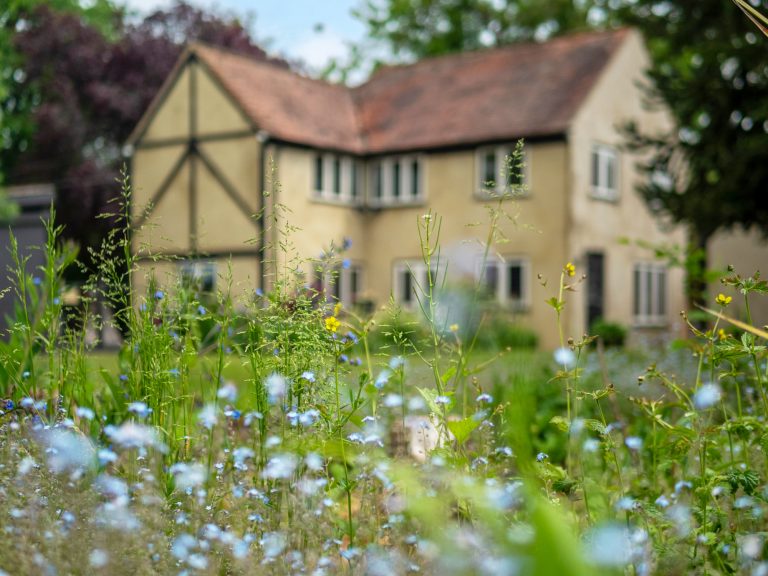
Clear the driveway, sweep paths, remove tired pots and ensure gates, fencing and outside lights are in good working order. Trim back planting that obscures windows, architectural details or the entrance. For country homes, keep the look natural rather than overly manicured, but make boundaries, access and usable garden areas easy to understand.
Front doors and porches often repay modest attention. A clean door, polished furniture, fresh paint where needed and a simple, well-kept entrance can make a considerable difference. If the property has a special feature – a mature tree, formal garden, attractive façade, generous parking or a view – make sure it is visible rather than hidden by clutter or unchecked growth.
Treat the garden as a room, not an afterthought
In Berkshire, outdoor space is frequently part of the reason a buyer chooses a particular home. It may offer entertaining space, privacy, a place for children to play, a productive kitchen garden or simply a calm outlook. Present it with the same care as the principal rooms.
Mow lawns, edge borders, weed terraces and clean outdoor furniture. Define areas with a clear purpose, particularly where gardens are large or irregular. A table set simply on a terrace can help buyers picture summer lunches; a tidy seating area can show how an overlooked corner is used. Avoid filling the garden with too many accessories. Space and proportion are often the luxury.
Edit each room without removing its character
Decluttering is not about stripping a home of personality. Buyers want to understand how a house feels to live in, especially when it has individual features, period details or considered interiors. The task is to edit distractions so those details have room to speak.
Remove excess furniture that interrupts the natural flow through a room. Clear kitchen worktops apart from a few purposeful items, and make wardrobes, cupboards and utility spaces look comfortably usable rather than overfilled. Buyers will open doors, particularly in homes where storage is a key consideration.
Personal photographs, collections and children’s artwork do not all need to disappear, but a lighter touch helps viewers imagine their own life in the house. This is especially useful in principal bedrooms, studies and reception rooms. Neutral does not have to mean bland. Retain the colours, art and textures that give a home warmth, while reducing visual noise.
Give the kitchen and bathrooms particular care
These rooms have an outsized influence on value perceptions. A full replacement shortly before sale is rarely the automatic answer, particularly if the existing kitchen or bathroom is good quality and functional. Buyers may prefer to make their own design choices, and an expensive scheme may not match their taste.
Instead, concentrate on cleanliness, functionality and finish. Repair cupboard catches, renew discoloured sealant, deal with limescale, replace tired towels and make sure extractor fans, taps and lighting work properly. In a kitchen, clear the fridge of magnets and paperwork, hide bins where possible and leave surfaces clean. The objective is to show a room that is ready to use, even if a future buyer may eventually choose to update it.
Use light, scent and temperature carefully
A viewing should feel comfortable from the moment a buyer enters. Open curtains and blinds fully where privacy allows, clean windows and replace any bulbs that produce harsh or uneven light. For darker rooms, use lamps to create a softer, more inviting atmosphere rather than relying only on ceiling lights.
Keep the house at a comfortable temperature, particularly in cooler months. An overly warm home can feel oppressive, while a cold one can lead viewers to question insulation or heating performance. Fresh air matters too. Open windows briefly before appointments if weather permits, but avoid strong scented candles or artificial fragrances. Clean, quiet and lightly aired is usually best.
Get ready for photography and the launch
Professional photography is not a record of every room. It is the first stage of a buyer’s decision to engage with a property. Preparation should therefore be complete before photography, video or any marketing appointment, not afterwards.
Put away washing, pet beds, toiletries, recycling boxes, remote controls and visible cables. Park vehicles away from the front if possible. Consider the timing of seasonal features: flowering borders, autumn colour, a swimming pool in use or a well-dressed fireside can strengthen the story of a home, provided the imagery remains authentic.
Good marketing also relies on accurate information. Gather certificates, guarantees, planning paperwork, building regulation approvals, service records and details of improvements. If a conservatory was added, a boiler replaced or a garden office built, having the relevant documents ready makes later enquiries easier to manage. It also allows the property’s investment and history to be presented clearly from the outset.
Prepare for viewings without turning life upside down
Once the home is on the market, establish a straightforward viewing routine. Keep a basket or cupboard for everyday items that need to be quickly cleared, maintain clean towels and make beds each morning where possible. For families, this does not mean living in a show home for weeks. It means creating a realistic system that makes short-notice appointments less stressful.
During a viewing, buyers generally need space to look, talk and imagine. If practical, take a walk or leave the property in the hands of your agent. Owners can answer useful questions about a home, but their presence can sometimes make buyers cautious about speaking openly or lingering in a room.
It is also worth considering what makes your location valuable. A buyer may be drawn by a nearby school, a village shop, rail connections, countryside walks or access to Ascot, Wokingham or Maidenhead. Share useful facts with your agent, alongside the less obvious benefits of the house itself, such as afternoon light on the terrace, friendly neighbours or the way a garden works for entertaining.
Do not confuse preparation with over-improvement
The temptation before selling is to start every project that has been postponed. Sometimes that is sensible. More often, it creates cost, disruption and delay without a corresponding improvement in sale prospects.
A carefully considered appraisal can help distinguish between work that will genuinely improve presentation and work a buyer may prefer to undertake themselves. Evidence-based pricing, clear positioning and high-quality presentation tend to matter more than expensive last-minute changes. At Stowhill Estates Berkshire, this is approached as a personal conversation: what is worth doing, what can wait and how the home should be presented to reach the right buyer.
The most effective preparation leaves a buyer with a simple feeling: this is a home that has been looked after, understood and made ready for its next chapter. That confidence is often where a strong sale begins.