
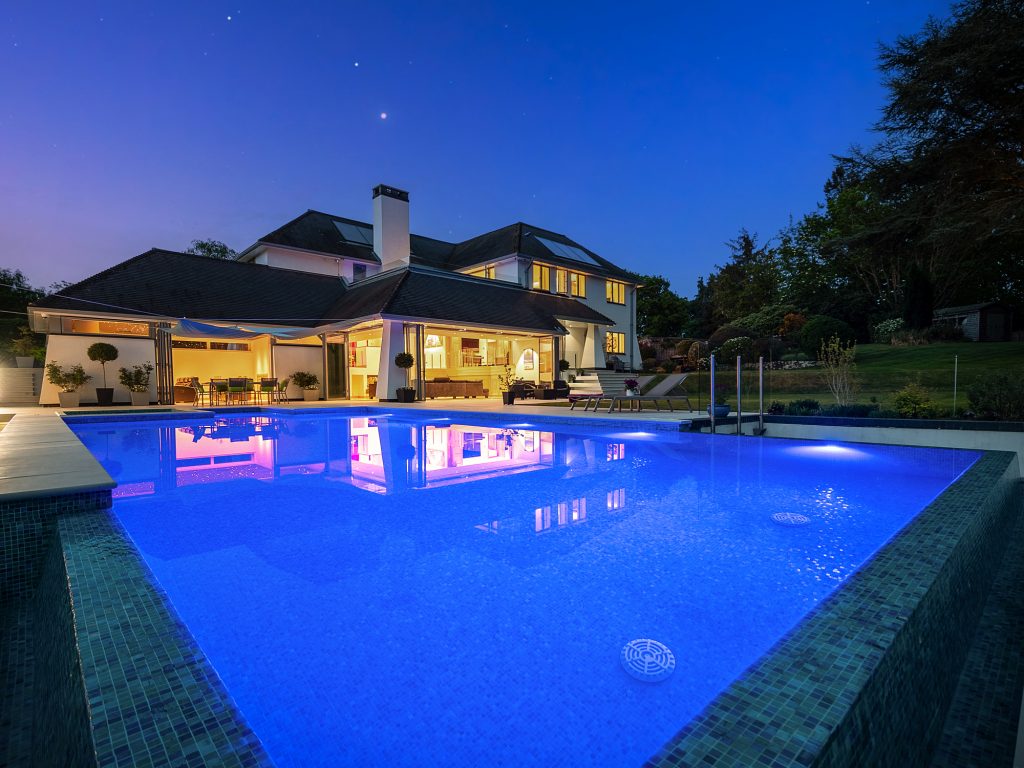
A beautiful home does not automatically sell itself. A country house with land, an elegant period property, or a high-specification family home in a sought-after village needs a sales strategy that gives buyers a reason to act. Knowing how to sell a luxury home means combining evidence-led pricing with exceptional presentation, careful timing and direct access to the right audience.
At the upper end of the market, a sale is rarely won by creating the most noise. It is won by positioning a property properly, communicating its value clearly and managing every enquiry with care.
Start with a pricing strategy, not a hopeful figure
The asking price sets the tone for the entire launch. Price too high and a property can miss the concentrated period of buyer attention that follows its first appearance on the market. Price too low and you may attract interest, but risk undermining confidence in the home or leaving value unrealised.
A considered valuation should look beyond headline figures from nearby sales. Two houses on the same road can appeal to entirely different buyers and command materially different prices. Plot size, architectural character, condition, privacy, school catchments, entertaining space, outbuildings and the quality of any refurbishment all matter. So does the current supply of comparable homes and the number of qualified buyers actively looking.
For distinctive homes, comparable evidence is often limited. That is where local judgement becomes particularly valuable. The aim is not to name the highest possible figure at an appraisal. It is to agree a price that is credible, defensible and compelling to the buyers most likely to proceed.
Prepare the property before the photography begins
Luxury is often conveyed through the details buyers feel rather than the features they simply see. Natural light through well-dressed windows, a clear view across the garden, a calm entrance hall and well-proportioned rooms all help a buyer imagine their life there.
Preparation does not always mean a major renovation. In fact, costly works immediately before marketing can be difficult to recover, particularly where a buyer may prefer to make their own design choices. Focus first on the elements that influence first impressions: outstanding maintenance issues, tired paintwork, overgrown boundaries, cluttered surfaces and rooms whose purpose is unclear.
A pre-sale review should also consider the exterior with the same care as the interior. For homes in Ascot, Sunningdale, Bray, Wokingham and surrounding villages, buyers often place real value on gardens, approach, privacy and the relationship between house and plot. Trim planting, repair gates and fences, and make terraces or seating areas look ready to enjoy. If a garden is a key part of the appeal, launch when it will show well, where timing permits.
Present the lifestyle as well as the house
High-quality photography is essential, but it is only one part of the presentation. The strongest campaigns create a coherent story about the home: its architecture, its spaces, the way it works for family life, and the setting that makes it special.
That story should be honest. A striking kitchen may be a focal point, but buyers also need to understand practical matters such as bedroom arrangements, storage, parking, home-working space and the flow between reception rooms. Floorplans should be accurate and easy to read. Descriptions should be precise, avoiding exaggerated language that creates expectations a viewing cannot meet.
Video, drone imagery and printed material can add genuine value when they reveal something photography alone cannot. An aerial view may explain a generous plot, mature surroundings or a particularly private position. A film can convey the arrival, the garden and the relationship between key living spaces. These tools should serve the property, not be used simply because they are available.
Make every first impression count
Most serious buyers will form an early view before they book an appointment. They may be comparing several homes from a distance, often while managing a demanding career or family commitments. Make it easy for them to understand why this particular property merits their time.
That means selecting a strong lead image, presenting the most relevant information upfront and ensuring every detail is consistent across the campaign. A vague description or poor floorplan can cause a buyer to move on before they have discovered what makes the home exceptional.
Reach qualified buyers, not just more browsers
A wide launch across major property portals can be valuable, particularly for homes with broad appeal. Yet exposure alone is not the same as buyer quality. Premium homes often require a more focused approach that combines portal visibility with qualified-buyer databases, carefully targeted social media, local relationships and direct communication with people already searching in the area.
Discretion can also matter. Some sellers prefer a full public launch; others would rather begin by introducing their home privately to suitable buyers. Neither route is automatically better. A discreet approach can protect privacy and test genuine demand, while a public launch may create momentum and reach buyers who had not previously considered the location. The right choice depends on the property, the seller’s circumstances and the level of confidence in the proposed price.
Before viewings are arranged, it is reasonable to establish whether an applicant is in a position to proceed. This does not mean creating unnecessary barriers. It means respecting the seller’s time, protecting the home and ensuring that viewings are purposeful.
Treat viewings as part of the sales strategy
A luxury-home viewing should feel informed and unhurried. Buyers at this level may want to revisit, bring family members, discuss renovation potential or spend time in the garden. They are not merely checking room sizes. They are assessing whether the property suits the next stage of their life.
The person conducting the viewing needs to know the home thoroughly: when improvements were made, how the spaces are used, what the local area offers and where there may be practical considerations. An agent should also know when to give buyers space. Over-selling can feel forced; thoughtful guidance builds trust.
After each viewing, prompt and candid feedback is useful, even when it is not the feedback a seller hoped for. Patterns matter. If several well-qualified buyers admire the house but hesitate over layout, condition or price, that information should shape the next decision rather than be dismissed.
Keep negotiations calm and evidence-led
The highest offer is not always the best offer. A buyer’s financial position, chain, timescale, conditions and commitment are all relevant. A slightly lower offer from a well-prepared buyer with a clear route to exchange may provide greater certainty than a higher proposal carrying avoidable risk.
Good negotiation is not about applying pressure. It is about understanding what each party needs, communicating clearly and protecting the value of the agreement. Sellers should receive a full picture of each offer, including the buyer’s position and any terms that could affect the timetable.
It also helps to prepare for the period after an offer is accepted. Survey findings, legal enquiries and chain developments can all test a transaction. Well-organised paperwork, realistic communication and a proactive sales progression process reduce the likelihood of surprises becoming deal-breakers.
Choose personal accountability over a volume-led process
When selling a significant home, the quality of advice and communication matters as much as the marketing itself. You should know who is responsible for your sale, who will conduct viewings, how often you will receive an update and how decisions will be made if the market response differs from expectations.
A carefully managed instruction allows for better preparation, more informed conversations with buyers and consistent attention throughout the process. At Stowhill Estates Berkshire, this personal accountability is central to how prime homes are brought to market: clear advice, focused presentation and direct involvement from valuation through to completion.
The right sale rarely comes from rushing the launch or chasing attention for its own sake. Give the home the preparation, pricing discipline and personal representation it deserves, and the right buyer has every reason to see its value.