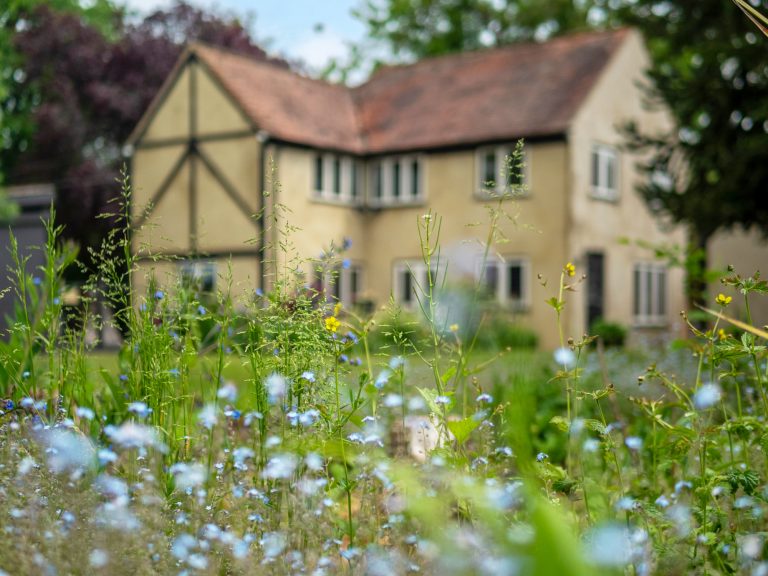

A home with real character rarely fits neatly into a standard property portal search. It may be a period house with a thoughtfully designed extension, a contemporary build behind private gates, a village home with land, or an elegant family house in a location buyers wait years to enter. Selling a unique home requires more than broad exposure. It requires a clear understanding of what makes the property valuable, who will appreciate it and how to present that story with confidence.
For owners across Ascot, Sunningdale, Bray, Hurst, Twyford, Wokingham and the surrounding East Berkshire villages, the difference between a good sale and a disappointing one is often decided long before the first viewing. Price, preparation and positioning need to work together from day one.
Start with the property’s true point of difference
Every distinctive home has features. Not every feature is a reason for a buyer to act. The first task is to separate the details that are personally meaningful from the elements that genuinely influence market appeal.
A landscaped garden, for example, may be attractive, but its value is better understood when linked to the way it supports family life, entertaining or privacy. A detached studio may appeal to buyers seeking a home office, an annexe for relatives or a creative workspace. A period façade becomes more compelling when buyers can see that original character has been retained alongside practical modern living.
This is where local knowledge matters. The appeal of a substantial garden in Warfield may differ from that of a central Sunningdale address within easy reach of the station. A home near sought-after schools may command interest from a very different buyer group than a discreet country property near Hurst or Twyford. Good marketing does not simply describe rooms and measurements. It explains why the home suits a particular lifestyle and why its setting adds value.
Pricing a unique home with evidence, not optimism
The most difficult decision is usually the guide price. Unique homes often have fewer direct comparables, which can make a simple automated estimate misleading. A valuation should look beyond the closest recent sale and consider condition, plot size, outlook, architecture, specification, local supply and the strength of buyer demand at that price point.
There is a temptation to begin at an ambitious figure and adjust later. Sometimes a premium is justified, particularly where a property offers something scarce in its location. But an initial price still needs to be credible to the people most likely to buy. Well-informed buyers of prime property will have viewed competing homes, followed local sales and taken advice. They are not persuaded by an inflated asking price simply because a house is unusual.
Equally, pricing too cautiously can leave value on the table and create the wrong expectations. The right approach is a considered range supported by market evidence, together with an honest conversation about likely interest, competing stock and the time frame available. If a property has an exceptional feature that is hard to quantify, that should be reflected in the sales strategy rather than used as an unsupported reason to add a large premium.
Consider timing alongside price
Timing can affect both the quality and volume of enquiry. Family houses often benefit from being visible before key school decision periods, while gardens, pools and countryside views are naturally easier to appreciate in the right season. That said, waiting for a perfect month is not always wise. A well-prepared home launched into a quieter market may receive more focused attention than one competing with a rush of similar instructions.
Your own onward plans also matter. A seller who needs certainty may favour a strategy that prioritises qualified buyers and credible timescales over a prolonged campaign chasing an ideal figure. Clear advice should reflect the whole move, not only the asking price.
Presentation should reveal, not disguise
Premium buyers expect good photography, but strong presentation is not about making a home look like somewhere else. It is about allowing its best qualities to be understood quickly and accurately.
Before photography, walk through the house as a buyer would. Are the key rooms clearly defined? Does furniture help people understand the scale? Are darker spaces adequately lit? Is the exterior as well maintained as the interior? Small details carry weight at the upper end of the market: a cluttered utility room, tired front door or neglected boundary can distract from an otherwise impressive home.
Preparation does not necessarily mean expensive refurbishment. In some cases, an honest and beautifully presented home is more persuasive than one that has been over-styled or partially renovated without a coherent finish. It depends on the likely buyer. A turnkey contemporary house may justify a more polished visual campaign, whereas purchasers of a character property may value its authenticity and the opportunity to make their own mark.
Professional photography, carefully planned floorplans and considered written copy should work as one. The photographs create an emotional response; the floorplan answers practical questions; the description gives context to the home and its location. A film can be valuable where a property has a strong approach, exceptional grounds or a sequence of spaces that still images cannot fully capture. It should add clarity, not become a distraction.
Reach the right buyer, not simply more browsers
A major portal launch remains important, but it is only one part of a thoughtful campaign. The buyer for a distinctive East Berkshire home may be relocating from London, moving within the local area, returning from overseas or searching quietly through trusted contacts. Some will know precisely what they want. Others may not yet realise that your home answers their needs.
That is why a tailored launch should combine broad visibility with targeted activity. Social media can place a property in front of relevant audiences when used selectively. High-quality print can make a lasting impression for certain homes and locations. Most valuable of all is often direct contact with qualified applicants who have already explained what they are seeking and demonstrated a realistic ability to proceed.
This is not an argument for restricting exposure. It is an argument for making every channel purposeful. A listing that attracts hundreds of casual enquiries can be less useful than one that generates a smaller number of well-matched viewings. The objective is competition from credible buyers, not a busy diary for its own sake.
Viewing strategy matters more than many sellers expect
Viewings are where the written narrative is tested. The person showing the property should understand its design, improvements, running costs, planning history where relevant and the nuances of the local area. They should also know when to give buyers space.
For an unusual home, a standard viewing script is rarely enough. A buyer may need help seeing how an annexe could function, how a garden changes through the seasons, or what makes a particular road especially desirable. At the same time, they should never feel pressured into admiring every detail. Calm, informed guidance creates trust.
It is sensible to agree in advance how feedback will be handled. Prompt, candid reporting allows decisions to be made while early interest is still fresh. If several viewers raise the same concern, it may point to a presentational issue, missing information or a price that needs careful review. Not every objection should trigger a change, but patterns deserve attention.
Protect the value through negotiation and progression
An offer is more than a number. The buyer’s position, chain, funding, proposed timescale and commitment to the property all affect its strength. A slightly lower offer from a well-qualified buyer with no chain can be preferable to a higher figure with uncertain finance or a complicated sale behind it.
Negotiation should be measured and evidence-led. Sellers deserve clear advice about the buyer’s circumstances, what can reasonably be achieved and the risks attached to each option. Once a sale is agreed, communication remains essential. Survey findings, solicitor queries and chain movement can all create uncertainty if left unattended.
At Stowhill Estates Berkshire, a deliberately managed number of instructions allows Tim and Julia Haycocks to remain personally involved through these moments, providing honest communication and practical guidance every step of the way.
A unique home deserves a sale process that is equally considered. Begin by asking not only what the house is worth, but who will value it most and what they need to see, understand and feel before making their move.